Encyclopedia entry
South African geranium
LCPelargonium sidoides
Also known as: Umckaloabo, Kalwerbossie
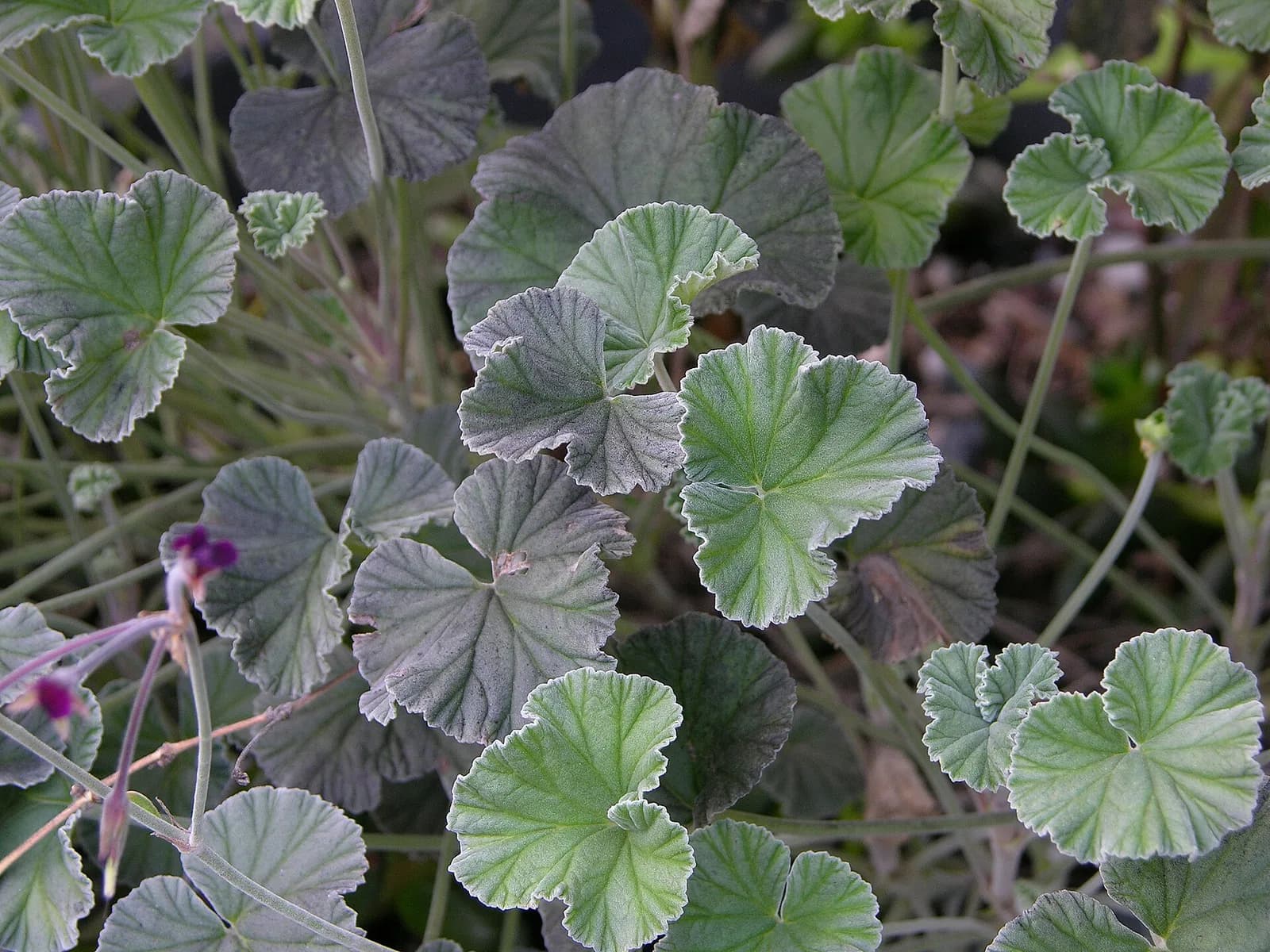
Pelargonium sidoides is a southern African perennial with dark flowers, rounded leaves and an underground rootstock. Root extracts are used in registered herbal products in several markets. Accurate identity is important because related Pelargonium taxa can enter trade; provenance must therefore connect the accepted taxon, cultivated or wild source, root harvest and processing batch.
Identification and range
The plant forms a low rosette or subshrub with grey-green rounded leaves and narrow dark burgundy flowers. Kew records it as native across southern African territories in seasonally dry habitats.
Documented use and evidence
Traditional respiratory uses helped shape later commercial root extracts. Product research concerns defined extracts and indications; it should not be generalised to any home preparation or to every Pelargonium species.
Sourcing and access
Root harvesting can be destructive and commercial demand creates substitution and benefit-sharing risks. Cultivation records, voucher-backed identification, harvest age, permit evidence and supplier agreements strengthen the chain of custody.
Documented use & evidence
Specified Pelargonium root extracts have been evaluated for acute respiratory infections and appear in regulatory herbal assessments. Findings remain formulation- and indication-specific. Consumers should follow the authorised product information and seek care for severe or persistent symptoms.
This botanical record is for provenance and research context. Documented traditional use is not medical advice, and laboratory findings do not establish clinical efficacy or safety. Use regulated products only under appropriate professional guidance.
Research & evidence record
Research reports coumarins, phenolics and proanthocyanidins in root preparations and examines immunomodulatory and antimicrobial mechanisms. Analytical markers support quality control but are not substitutes for clinical outcomes.
ESG & Nature Impact
Cultivation and auditable purchasing can reduce pressure on wild populations. Useful indicators include verified propagation stock, root-harvest rotation, farm survival and transparent benefit-sharing terms.
Society & Culture
The international commercial history of the plant illustrates why origin, prior informed consent and fair value distribution matter when local plant knowledge enters global markets.
External Resources
References
Version 2 · Last updated 7/15/2026 View revision history