Encyclopedia entry
Marula
LCSclerocarya birrea
Also known as: Maroela, Morula, uMuganu
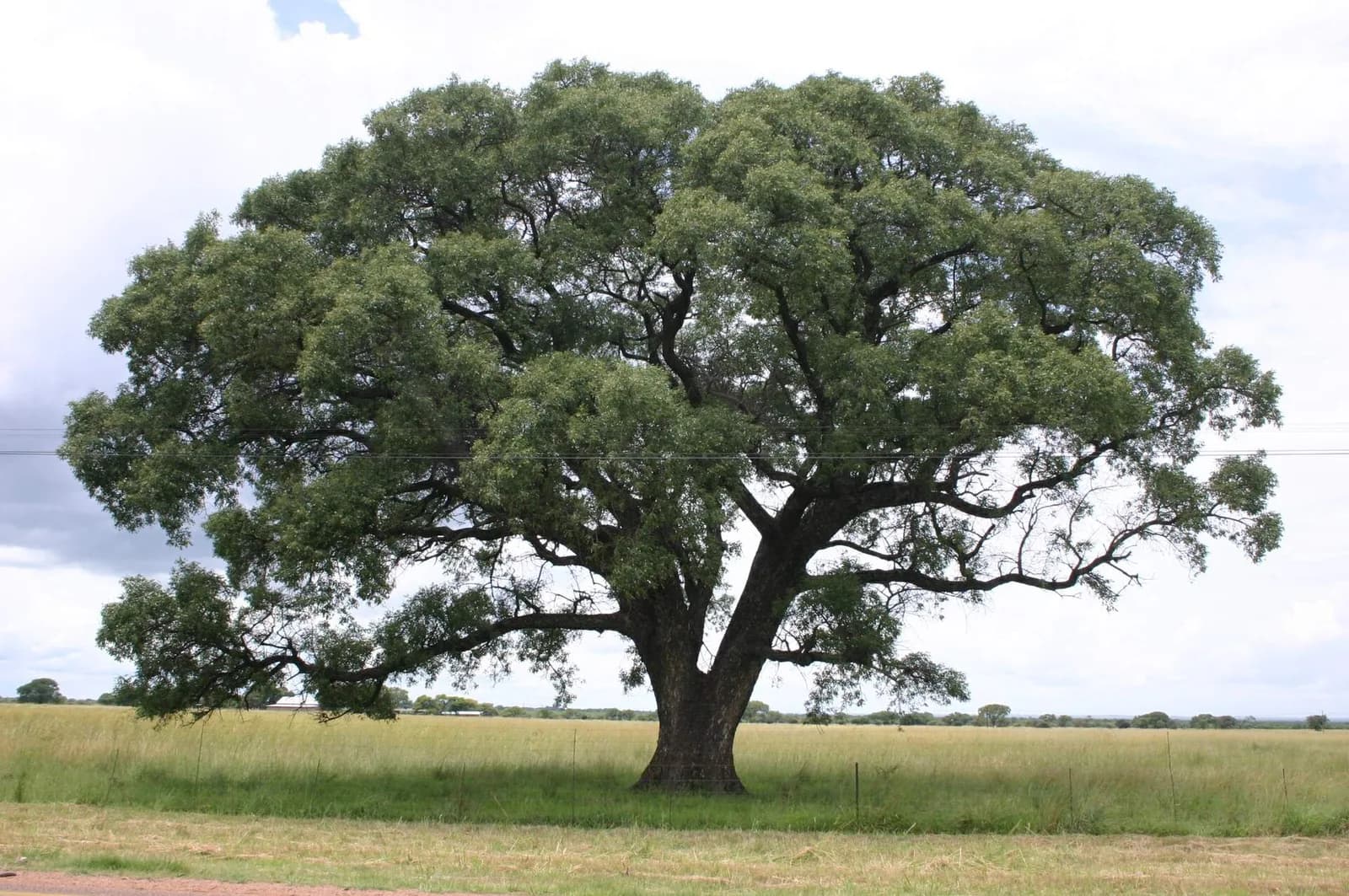
Sclerocarya birrea, marula, is a widespread African savanna tree valued for fruit, kernels, oil, shade and cultural practice. Female and male flowers usually occur on separate trees. Although the species is assessed as Least Concern, a complete value-chain record still needs tree or collection-area origin, lawful access, fruit handling, kernel processing and benefit-sharing evidence.
Identification and ecology
Marula has a broad crown, grey fissured bark, compound leaves and yellow plum-like fruit containing a hard stone. The fruit supports people and wildlife, and mature trees contribute shade and structure in savanna landscapes.
Food and material uses
Fruit is eaten fresh or processed into beverages, preserves and other foods; kernels yield an edible and cosmetic oil. Bark and other parts also have documented traditional uses, but food, cosmetic and medicinal supply chains require different controls.
Provenance and benefit-sharing
Muranga can link collection group, consented source area, harvest period, intake weights, processing yield and buyer terms. Public records should aggregate sensitive locations and publish personal attribution only with consent.
Documented use & evidence
Marula fruit and kernels are nutritionally valuable foods, while laboratory studies report diverse constituents in several plant parts. These findings do not validate broad therapeutic claims, and processing, allergens and food-safety controls remain relevant.
This botanical record is for provenance and research context. Documented traditional use is not medical advice, and laboratory findings do not establish clinical efficacy or safety. Use regulated products only under appropriate professional guidance.
Research & evidence record
Botanical sources describe the tree's dioecious reproduction, broad distribution and multiple uses. Product research has focused on fruit composition, kernel oil quality and by-product utilisation.
ESG & Nature Impact
Keeping mature fruit trees in productive landscapes can support biodiversity and household income. Credible reporting tracks retained trees, fruit yield, processing loss, local payment and regeneration rather than counting purchases alone.
Society & Culture
Marula is embedded in food traditions, seasonal gatherings and enterprise across southern Africa. Commercial storytelling should avoid presenting one community's knowledge as universal and should document permission for named cultural attribution.
External Resources
References
Version 2 · Last updated 7/15/2026 View revision history