Encyclopedia entry
Wild ginger
CRSiphonochilus aethiopicus
Also known as: African ginger, iSiphephetho, iNdungulo
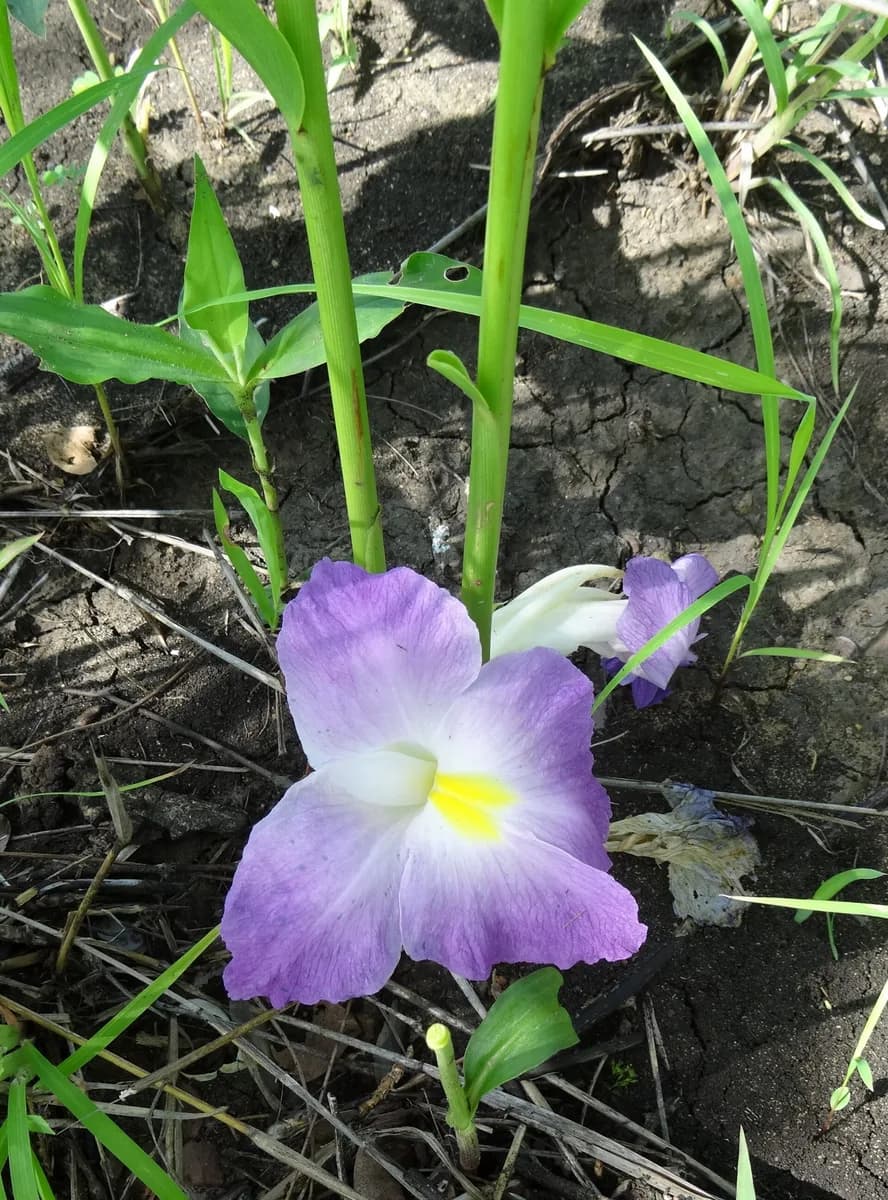
Siphonochilus aethiopicus is an aromatic ginger-family geophyte with showy ground-level flowers. SANBI records it as Critically Endangered in South Africa and treats locality data as sensitive. Public provenance must never reveal wild coordinates. Cultivated, nursery or ex-situ material needs propagation lineage and legal authority so commercial demand does not become a collection signal.
Identification and habitat
Leaves arise seasonally from a fleshy aromatic rhizome; pale mauve flowers emerge near ground level. SANBI describes damp, partly shaded savanna, coastal grassland and forest-edge habitats within its South African range.
Documented traditional use
Rhizome use is documented in several southern African knowledge traditions, including respiratory and cultural applications. The same demand has contributed to destructive collection pressure; publication must therefore prioritise consent and conservation.
Sensitive-species controls
Coordinates, collection trails and wild stock locations remain private. Approved records should show cultivated source, propagation batch, nursery custody, permit or conservation authority and non-wild origin without exposing sites.
Documented use & evidence
Ethnobotanical and laboratory literature reports uses and bioactivity, but there is insufficient basis for public treatment claims. Wild collection is a conservation risk, and use of unidentified rhizomes can carry safety and substitution risks.
This botanical record is for provenance and research context. Documented traditional use is not medical advice, and laboratory findings do not establish clinical efficacy or safety. Use regulated products only under appropriate professional guidance.
Research & evidence record
SANBI's Biodiversity Advisor links the accepted name, morphology, literature and redacted occurrence handling. Propagation and conservation research is more operationally relevant to Muranga than promotional efficacy claims.
ESG & Nature Impact
Ex-situ propagation and controlled cultivation can support conservation and lawful livelihoods. Assurance should measure verified mother stock, propagated plants, survival, transfers and zero wild leakage.
Society & Culture
The species carries important knowledge and cultural associations. Any named knowledge-holder attribution, teaching or commercial narrative requires explicit publication consent and benefit terms.
External Resources
References
Version 2 · Last updated 7/15/2026 View revision history